
For a long period, the concept of edge computing was considered something expensive and complex, often reserved for large enterprises that had specialized hardware. This is now changing. Businesses in the UK are realizing that adaptable and cost-effective systems deliver powerful outcomes with a minimum of complexity.
Platforms that are scalable and simplicity are at the core of this revolutionary change. The edge computing platform UK companies can now count upon looks much different than the typical configuration. Instead of relying only on data centers that are centrally located, organizations are moving processing closer to the place where data originates.
This upgrade improves the speed of decision making as well as reduces latency, allowing for decisions in real-time.
From Small Devices to Enterprise Systems
The Raspberry Pi has come a considerable distance from its first image as a tool for learning. It was initially thought of as a gadget for hobbyists is now being utilized to power real-world infrastructure in sectors like manufacturing logistics, logistics, as well as smart environments.
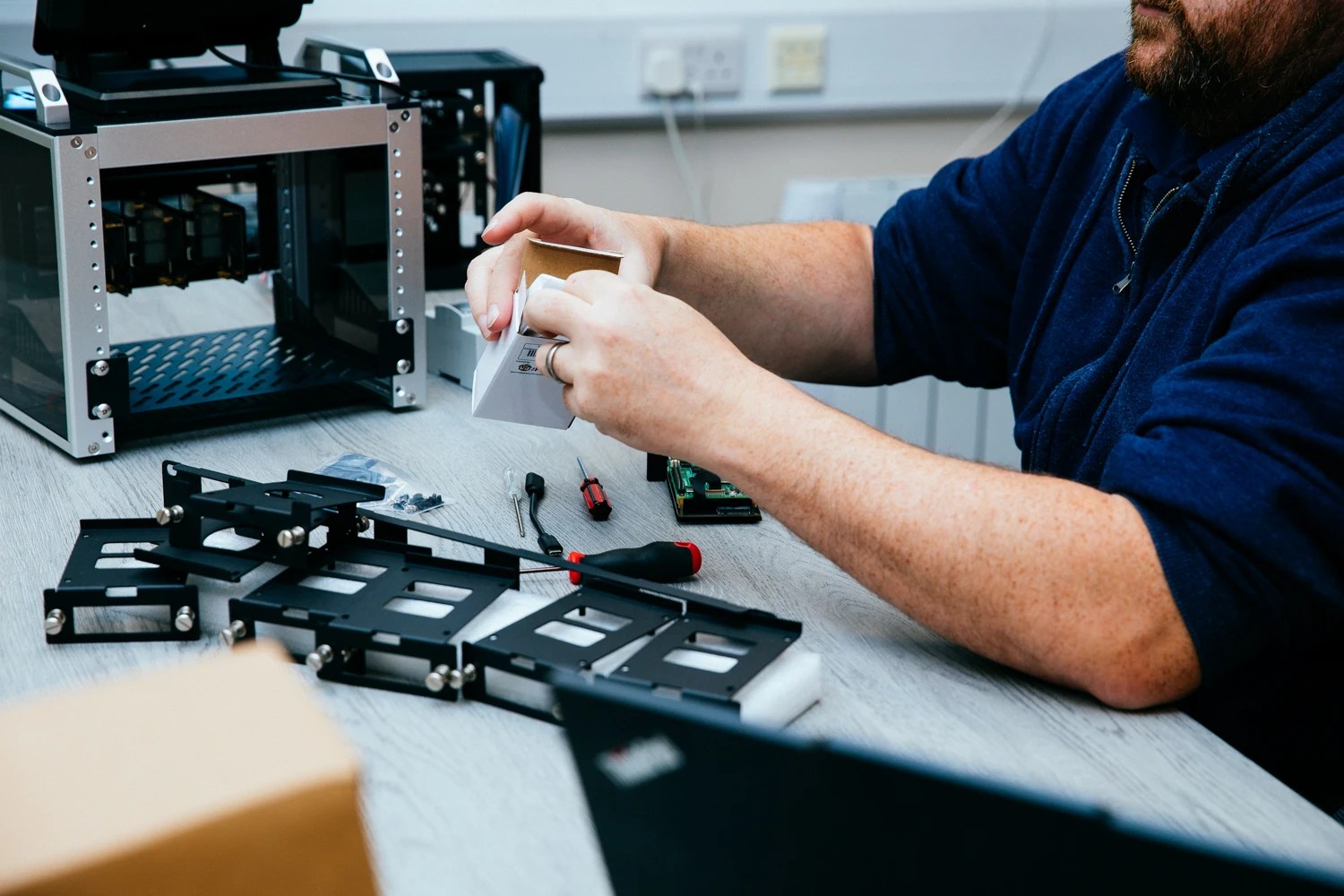
Through platforms like ScalerPi businesses can transform the single device into an integral part of a bigger, coordinated system. A Raspberry Pi cluster production use model allows multiple units to work together, creating a distributed system capable of handling complex workloads.
This allows you to expand from a small prototype to thousands of connected devices that all work in sync.
Kubernetes are at the Edge
Modern infrastructure is often dependent on orchestration as well as containerized applications. Kubernetes is the management tool that has become the norm within these systems, presents many new challenges while operating in the middle.
A kubernetes on-premise solution allows you to retain control, while benefiting in the flexibility of container orchestration. Businesses can control and deploy their own systems, instead of completely relying on cloud service providers.
This creates a balance between speed and control, allowing organizations to tailor their infrastructure according to specific operational needs. ScalerPi helps bridge this gap by combining the expertise of hardware and the most modern software techniques, making the most advanced deployments more readily available.
The Reasons Data Sovereignty Is Gaining In Importance
In a time of ever complex data regulations, companies pay more attention to the place where data is stored and handled. Cloud providers are often external, which can raise concerns about compliance and oversight.
UK organisations can implement an underlying cloud that keeps data inside national borders and maintain the performance. It ensures that sensitive information is safe and compliant with local laws.
Businesses can increase flexibility and accountability by integrating edge computing in the sovereign infrastructure. Data is processed close to where it came from yet it is managed within the confines of a controlled environment.
Making deployments simpler
The management of large amounts of devices presents a huge obstacle to edge computing. As the number of devices grows, maintaining security, consistency and performance becomes more difficult.
ScalerPi provides a complete range of services, including hardware supply and management along with consultancy. This integrated model simplifies the process and allows teams to concentrate on their application instead of infrastructure.
An edge computing solution UK businesses can trust must not require continuous manual intervention. Instead, it should include tools that automatize procedures, track performance, and ensure that reliability is maintained across all devices.
Systems for Building that Scale with confidence
To go from a small prototyping space to a production-ready environment it is essential to plan carefully. Each step brings new challenges, from hardware selection, to software integration, and on-going maintenance.
With the help of a framework that is standard for expansion and development, using a Raspberry Pi production cluster use strategy will make the process easier. Devices can be added, or altered without affecting the overall system, which allows businesses to expand according to their own schedule.
This flexibility can be especially advantageous for companies looking to test new technologies or expand into new markets.
A Future of Flexibility and Control
The future of infrastructure is moving toward systems that are open capable of adjusting and enhancing efficiency. Businesses no longer want to be tied to rigid systems that restrict their capacity to invent.
Tools like a kubernetes hosted solution or a UK sovereign cloud service give organisations greater control over operations and data. With the capacity and scalability offered by Raspberry Pi clusters, these technologies will give you a solid base for a long-term, sustainable success.
Moving Forward With Edge Innovation
Edge computing is no longer just an new concept, but it is now a viable solution to today’s issues. Combining affordable hardware and advanced software lets companies build efficient systems.
ScalerPi continues to assist businesses to bridge the gap between physical devices and cloud technology. With a thoughtful design and solid deployment, it makes edge computing more accessible to enterprises of all sizes.
As more companies begin to explore the potential of distributed systems, the capability to scale effectively and safely will determine success in the coming years.