
The place where someone feels pain doesn’t always point to the source of a medical issue. The examination appropriate for a person with recurring knee discomfort may be entirely different from the examination required by someone with persistent headaches. Even when symptoms seem similar, their causes may differ substantially.
Detailed views of structures inaccessible to direct examination can assist doctors in exploring such diagnostic questions. But deciding which imaging method is appropriate matters as much as the technology itself.
At the Diagnostic Radiology Center Wolfsburg, modern imaging technology is paired with care tailored to individual patients to support accurate examinations and informed medical decisions.
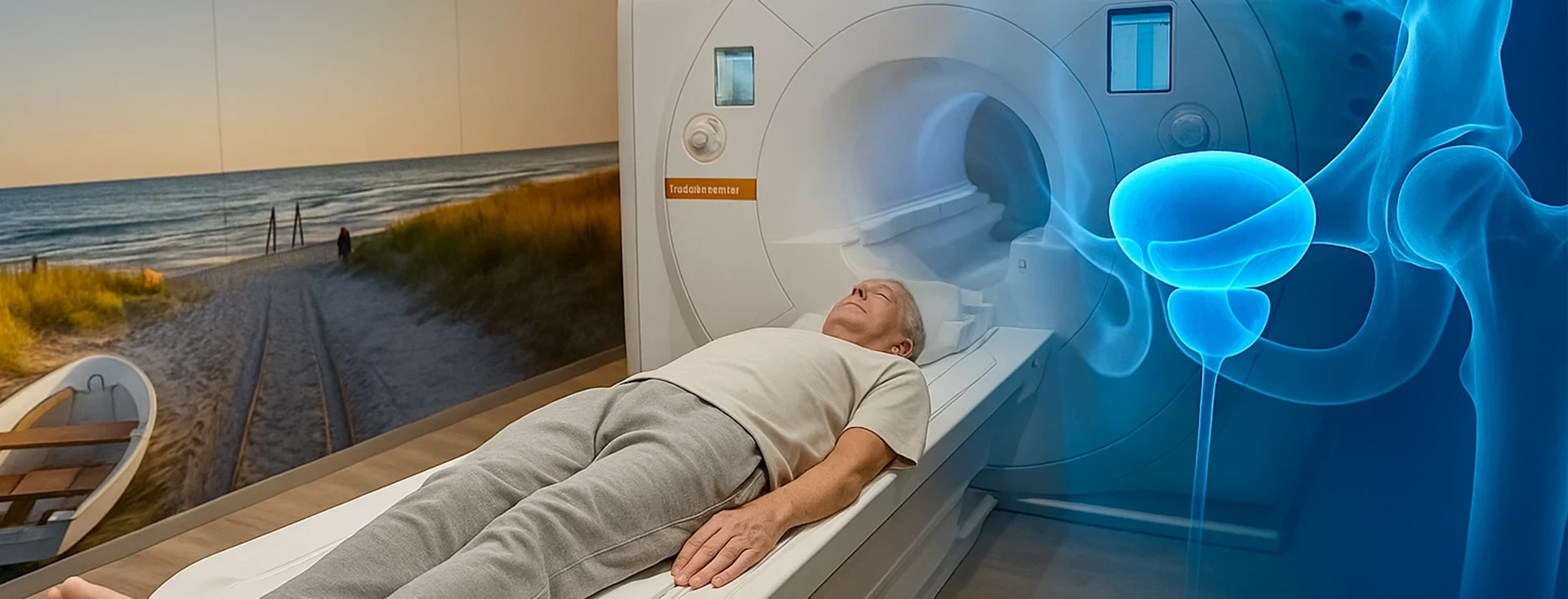
Different Questions Require Different Imaging Methods
The imaging technique known as magnetic resonance imaging, commonly called MRI, is especially helpful when doctors need detailed information about soft tissues. Without exposing patients to ionizing radiation, MRI can help assess muscles, ligaments, joints, organs, and certain neurological structures.
Computed tomography (CT), serves a different purpose. Quick acquisition of cross-sectional images makes CT particularly helpful when evaluating bones, lungs, and a range of internal conditions. Unlike MRI, CT uses X-rays, which makes radiation exposure relevant when selecting an examination.
Many conditions affecting bones or the chest can still be assessed with the help of digital radiography. Modern X-ray technology can efficiently acquire diagnostic images while using approaches designed to reduce avoidable radiation exposure. Selecting the appropriate technique depends on the question the examination must address, as well as the patient’s medical history and the referring doctor’s evaluation.
When Routine Imaging May Need to Be Supplemented
Routine examinations may not answer every clinical question. Some require more specialized examinations. Decisions about further prostate investigation can be guided by information from multiparametric prostate MRI, which can assist in locating areas of concern within the prostate. MRI findings do not automatically confirm cancer, but it can provide important information for urological evaluation.
There are specialized technologies for breast imaging. To assist in evaluating overlapping tissue in the breast, 3D mammography (tomosynthesis) collects multiple images from different angles. It is a complement to conventional mammography.
More extensive coverage of anatomical structures is possible with whole-body MRI, which does not use ionizing radiation. Whether it is useful depends on the medical indication, and it should not be considered a universal replacement for established screening programs. Click here to learn more Selbstzahler MRT Kosten
Beyond Identifying Abnormalities: Imaging as a Guide to Treatment
Detecting abnormalities is not the only role of radiology. CT-guided periradicular therapy can be considered in selected individuals dealing with nerve-related pain. Imaging assists in guiding an injection to a targeted nerve-root region as part of the image-guided treatment.
Helping alleviate irritation or inflammation in appropriate cases is the aim of accurately targeted treatment. The procedure must be considered in its clinical context. The decision depends on the patient’s symptoms, diagnosis, and clinical evaluation. The Wolfsburg center also offers treatments using radiation for selected chronic conditions, with individual assessment of suitability.
Preparing for an Examination Before Arriving at the Center
Images from earlier medical examinations may prove particularly valuable. Comparing findings across time can help radiologists recognize the difference between longstanding changes and newly appearing abnormalities.
People with appointments at the Diagnostic Radiology Center Wolfsburg are encouraged to bring along their health insurance card, referral, and any available earlier imaging reports or scans. A towel of a large size is also requested by the center for CT, MRI, and breast ultrasound appointments. Patients should mention relevant implants, allergies, pregnancy, kidney issues, or other medical concerns when arranging examinations, particularly where contrast agents or MRI safety requirements are relevant.
Medical Technology Works Best With Clear Communication
Modern scanners can yield detailed images. That does not remove the need for patients to understand what will take place during the examination.
At the Diagnostic Radiology Center Wolfsburg, importance is placed on well-organized appointments, along with respectful personal attention and explanations patients can understand. Patients may feel more confident approaching diagnostic examinations and gain a clearer understanding of their medical care through the center’s combination of specialized imaging, careful preparation, and clear communication.