
A park district has approved funding for the construction of a new public toilet. The building is located in a good location and the team is ready to move on.
Then the contractor begins reviewing the location. There is a water issue on the proposed site. Utility connections are further away than what was expected. Delivery vehicles may struggle to access installation areas, and building configurations may not match the available space.
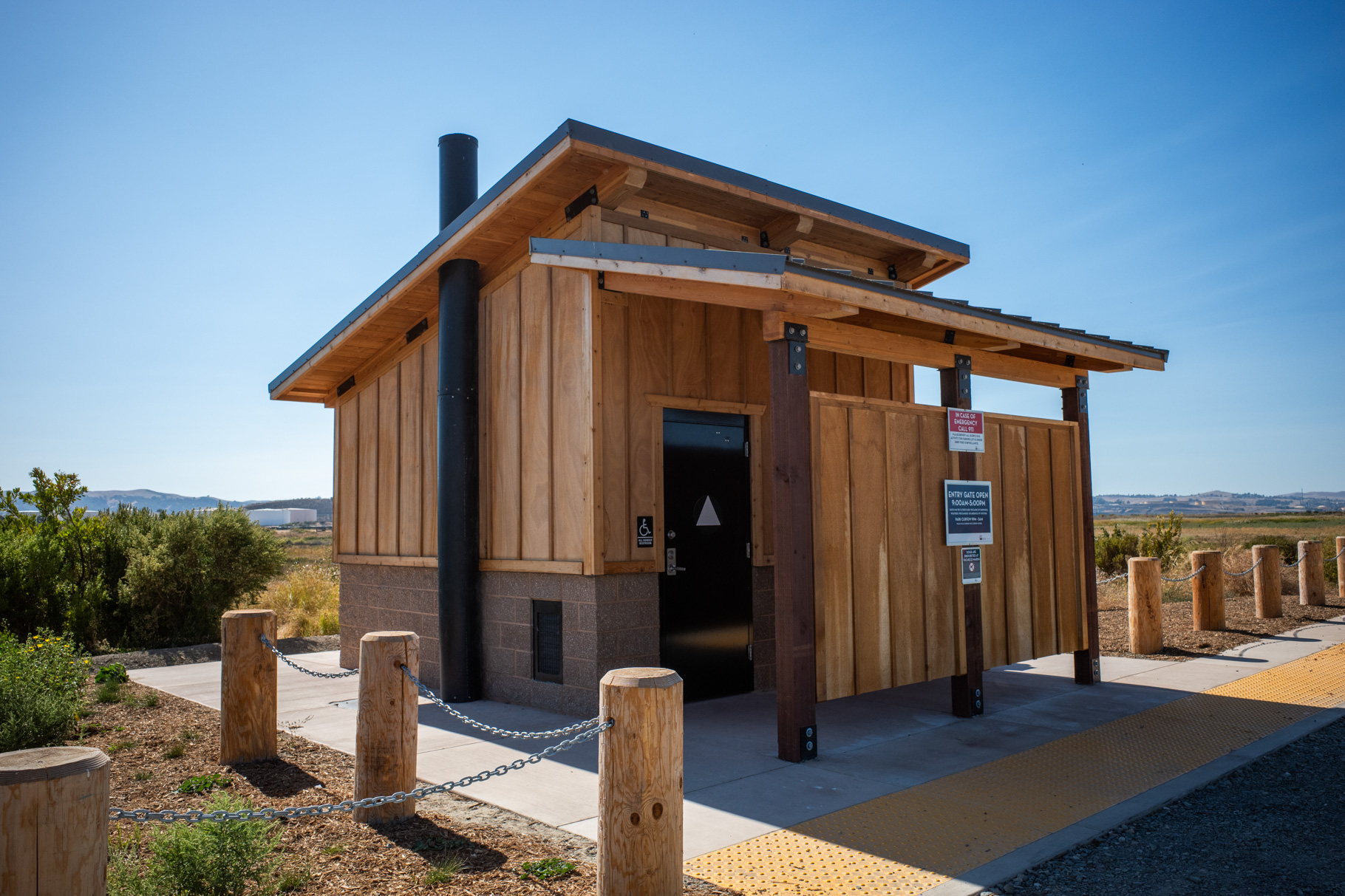
Image credit: romtec.com
None of these concerns necessarily suggests that the project will not proceed. These problems can cause revisions, costs and construction delays. Developers and public agencies bathrooms, the project is much easier to manage when factors affecting the location influence the building choice from the start.
Building drawings don’t tell the entire story
Before choosing facilities for park restrooms prefabricated the project team must know what the property around it can be able to accommodate. Installation can be dependent on the slope and drainage, as well as the utilities and construction accessibility.
For example, a restroom built near a playground might require connections to the existing sewer and water systems. If such connections aren’t in place or are expensive to expand, a different option could be required.
In addition to the codes in force and accessibility requirements Specific site conditions should be considered when determining base and position of a building. The standard layout of a building may appear to appear appealing on paper but it’s going to require significant modifications when taking these specifics into consideration.
Urban Projects Have Their Own Construction Limitations
Installing sidewalk restrooms involves more than finding enough space for a compact structure. Along sidewalks are underground utility lines, pedestrian routes and street furniture. Construction projects may also require coordination with local authorities.
A bathroom that is too close to a utility line could complicate excavation or foundation work. Accessibility of the bathroom is another consideration. The entrance and the access must satisfy all applicable requirements.
Romtec provides customizable ADA single-user toilet units with options for placement of sinks and doors. These design choices allow the project team to address the physical limitations of the site while also designing for practical public use.
Are you without a sewer line? Are you without a sewer line? alternatives
Remote recreation sites have different infrastructure problems. A trailhead may be located far away from the closest sewerage source and makes flushing toilets unpractical.
If placed in the correct places, vault toilets may be an excellent alternative to water. Instead of transporting wastewater to a sewer system, the vault toilets collect garbage and store it inside an enclosure that has to be maintained regularly.
The option of vault toilets does not eliminate the need for the site’s planning. The project needs to be constructed in a suitable location, with adequate surface conditions, accessibility to service equipment in a safe manner with adequate ventilation and compliance with environmental regulations.
Romtec makes water-free vault restrooms using Sweet-Smelling Technology (SST) which is a method that was developed to combat smells through ventilation. The selection of a sanitation system ahead of time will help avoid costly changes to the layout of the building later.
Construction Coordination begins before delivery
One of the most common misconceptions about prefabricated construction is that all projects have already had their decisions taken by the builder. However, coordination is still needed for site preparation, utility connections access, local approvals and accessibility. Romtec’s strategy for these projects is to build custom-designed kits and design guidance rather than relying on fixed structures.
The company works closely with landscape architects, project owners and contractors in order to match building specifications to site requirements. This is especially beneficial when bathrooms must fit in with an existing architectural style or be able to accommodate unique property requirements.
The best questions are the ones that result in better designs
Before approving the purchase of a restroom owners should determine how the bathroom will receive utilities, how construction equipment will reach the site and what authorizations are required.
It is important to understand if the chosen sanitation system is able to handle the number of expected visitors and also if the structure is still able to be constructed without major infrastructure improvements.
The questions are not as thrilling as exterior finishes or architectural details but can be more influential on the project’s price and timeframe.
It’s not enough to deliver the building on time. A successful project for public restrooms involves evaluating the structure, the construction of the location, as well as its construction and planned use. The earlier decisions will guarantee that the final restroom will be in a position to serve the community better.